

When Are Disposable Vapes Being Banned in Scotland?
Disposable vapes are no longer sold legally in Scotland as part of a nationwide policy shift that took effect on 1 June 2025. The change didn’t happen overnight — retailers had advance notice, and many shops began removing single-use vapes weeks before enforcement officially started.
If you’re wondering when the ban happened, why it exists, and what it means in real life, this article breaks it down in plain language.

Why Scotland Decided to Ban Disposable Vapes
Over the past few years, disposable vapes have become almost impossible to miss in Scotland. Bright packaging, low prices, and wide flavor choices made them especially popular — not just with adult smokers, but increasingly with teenagers.
From my own observations visiting convenience stores and vape shops in different UK cities, disposable devices were often placed right near the counter, sold as impulse items. This visibility sparked growing concern among parents, schools, and health professionals.
At the same time, local councils began flagging another issue: waste. Single-use vapes contain lithium batteries and plastic parts, yet many end up in regular bins or littered outdoors. Store owners I spoke to mentioned damaged bins and even small fires caused by improperly discarded devices.
These combined pressures—youth usage and environmental impact—pushed Scotland toward a stricter stance.
What Exactly Counts as a “Disposable Vape”
In simple terms, a disposable vape is a device that:
-
Comes pre-filled
-
Cannot be refilled
-
Is not designed to be recharged long-term
-
Once it runs out, it’s thrown away
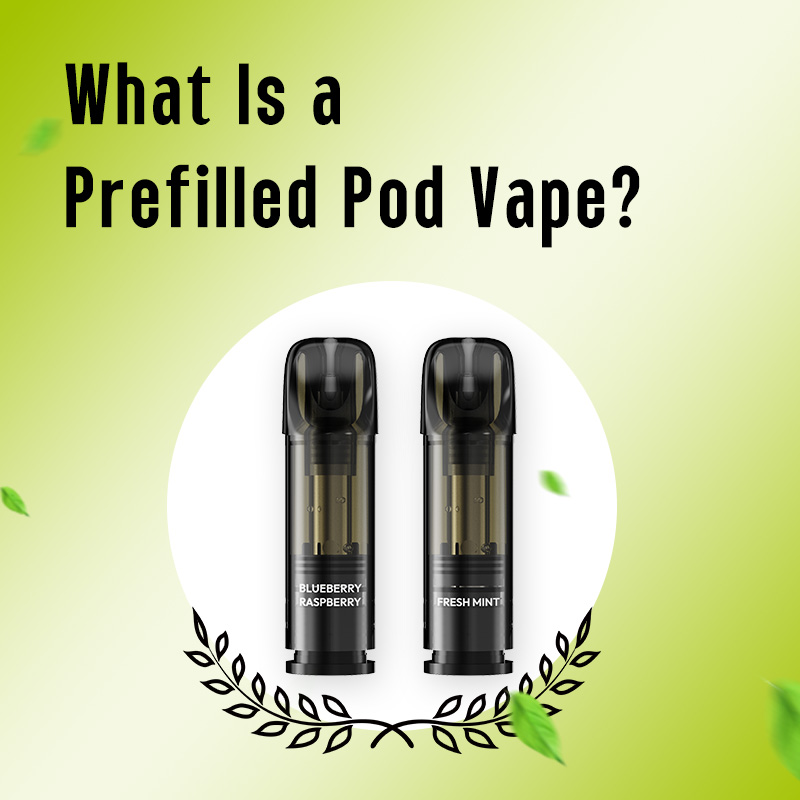
It is important to note that not all vapes are banned. Devices designed to be reusable—such as those that are both rechargeable and refillable (including those with replaceable pods)—are still allowed. The policy targets single-use convenience products, not vaping as a whole.
When the Ban Actually Took Effect
Although discussions started much earlier, the practical change happened in mid-2025.
From that point on:
-
Retailers in Scotland were no longer allowed to sell disposable vapes
-
Remaining stock had to be removed from shelves
-
Online sellers shipping to Scotland were also affected
Interestingly, many shops didn’t wait until the last minute. In early 2025, I noticed several retailers quietly reducing their disposable vape displays, replacing them with pod systems or refillable kits. This wasn’t panic—it was preparation.
Who Needs to Comply with the Ban
The responsibility mainly falls on businesses, not individual users.
Affected groups include:
-
Vape shops
-
Convenience stores
-
Supermarkets
-
Online sellers supplying the Scottish market
For consumers, owning or having previously bought disposable vapes isn’t the issue. The enforcement focus is on selling and supplying, not personal possession.
Why Disposable Vapes Were Targeted First
Some people ask why disposables were singled out, instead of vaping in general. From an industry perspective, the reasons are fairly clear:
1. Youth Appeal
Disposable vapes are simple, cheap, and easy to hide. Many first-time users never planned to become regular vapers — they just tried what was available.
2. Environmental Cost
A refillable device might last months or years. A disposable often lasts days. Multiply that by millions of units, and the waste problem becomes hard to ignore.
3. Convenience Over Control
Because disposables require no maintenance or commitment, they’re harder to regulate at the point of use. Refillable systems, by contrast, encourage more deliberate purchasing.
How This Compares with the Rest of the UK
Scotland’s approach didn’t happen in isolation. Similar rules were introduced across the UK, meaning the disposable vape ban is not a uniquely Scottish rule but part of a broader shift.
For businesses operating in multiple UK regions, this actually simplified things: one product strategy instead of several conflicting ones.
What Happens If a Retailer Ignores the Ban
Shops that continue selling disposable vapes after the ban risk:
-
Financial penalties
-
Losing the right to sell vaping products
-
Increased scrutiny from local enforcement teams
This is why most retailers adjusted early. From a business standpoint, it’s not worth risking a license over products that were already facing declining acceptance.
Real-World Impact: What I’ve Seen Change
Since the ban took effect, a few clear trends have emerged:
-
Refillable pod systems have become more prominent in stores
-
Staff spend more time explaining devices, instead of just handing over disposables
-
Some casual users stopped vaping altogether rather than switching formats
One shop owner I spoke with summed it up well:
“Disposables were easy money, but also easy trouble. Now customers think more before buying.”
FAQs
Q1: Are disposable vapes completely illegal in Scotland?
They can no longer be legally sold or supplied. The focus is on retail activity, not personal use.
Q2: Does the ban apply to all vaping products?
No. Rechargeable and refillable vapes remain legal.
Q3: Why not just restrict flavors instead of banning disposables?
From a policy perspective, disposables were seen as the fastest way to reduce youth access and environmental waste at the same time.
Q4: Will this ban expand to other vape types in the future?
There’s an ongoing debate, but for now, the rules are focused specifically on single-use devices.
Final Thoughts
The disposable vape ban in Scotland marks a clear shift away from convenience-driven nicotine products and toward tighter control. For users, it means adapting. For retailers, it means evolving. And for the industry as a whole, it’s a reminder that regulation tends to follow popularity, especially when health and environmental concerns come to the forefront.