



Single 2ml Pods vs Stackable Multi-Pod Systems: Which Offers the Best Cost Per Puff in the UK?
Analyze the long-term value of 2ml single pods versus modular multi-pod systems to determine the most cost-effective hardware choice for your daily vaping needs.
Modular stackable multi-pod systems significantly reduce long-term per-puff costs by replacing single-use complete device components with efficient, high-capacity e-liquid reservoirs while maintaining strict adherence to legal volume limits. For daily users, transitioning from fixed single-pod hardware to modular architecture represents a fundamental shift in expenditures and performance stability. By analyzing the hardware engineering behind these platforms, consumers can understand how to optimize overall budgets while minimizing long-term risks, achieving a smooth transition in nicotine alternative therapies.
Understanding the Financial Impact of Your Hardware Choices
While the initial purchase price of modular systems may be higher, the lower replacement cost of dedicated pods enhances the device's lifetime value compared to the compounding costs of standard disposable options. Frequent users often overlook the cumulative expenditures of weekly hardware purchases, which can exceed the cost of a high-performance rechargeable system within a single quarter.
Calculating Cost Per Puff for Daily Users
Daily users notice a stark contrast in expenditures when comparing fixed-capacity devices to modular alternatives. By tracking total annual e-liquid consumption, consumers realize that pre-filled all-in-one systems consistently incur higher recurring expenses due to the repetitive disposal of batteries and internal circuitry with every pod expiration.
Hidden Financial Advantages of Rechargeable Hardware
The primary economic advantage of rechargeable systems lies in the separation of the power unit from the consumable reservoir. Investing in a durable battery housing secures a long-term operational platform, requiring only minimal investment in replacement pods or e-liquids, which carry far lower production and distribution overheads than all-in-one disposable hardware.
Why Hardware Longevity Is Critical in Nicotine Transition
A seamless transition process demands hardware capable of replicating the intensity of a user's previous habits without causing financial volatility from continuous purchases. Modular systems allow for uninterrupted usage cycles, ensuring that smoke alternatives remain accessible and calibrated to individual intensity needs, which is vital for long-term adherence.
Anatomy and Engineering of 2ml Single-Chamber Devices
Standard single-pod designs are engineered for immediate, frictionless convenience, catering to users who prioritize a minimal footprint. These setups typically integrate the e-liquid reservoir and battery into a unified structure, satisfying strict volume regulations while simplifying user interaction through draw-activated mechanisms. For further details on these requirements, consult The Ultimate Guide to TPD Compliance.
Limitations of Fixed 2ml Reservoir开启的关键容量制约
Statutory 2ml volume limits frequently force an engineering trade-off between device form factor and runtime. While compliant, these fixed-capacity reservoirs require frequent upkeep or the procurement of multiple devices for full-day scenarios, undermining end-user convenience.
Standard Pod Flavor Consistency and Voltage Drop
Single-pod configurations often suffer from voltage drop as battery cells deplete, directly altering vapor temperature and sensory profiles. This fluctuation can also lead to premature pod degradation if the heating element is consistently forced beyond its intended operational threshold.
Portability Dynamics and Hardware Footprint
The primary advantage of these setups remains their minimalist form factor. Designed to blend seamlessly into daily routines, they excel in social or travel scenarios where pocket space and absolute simplicity act as the main decision drivers.
Technical Advantages of Stackable Multi-Pod Systems
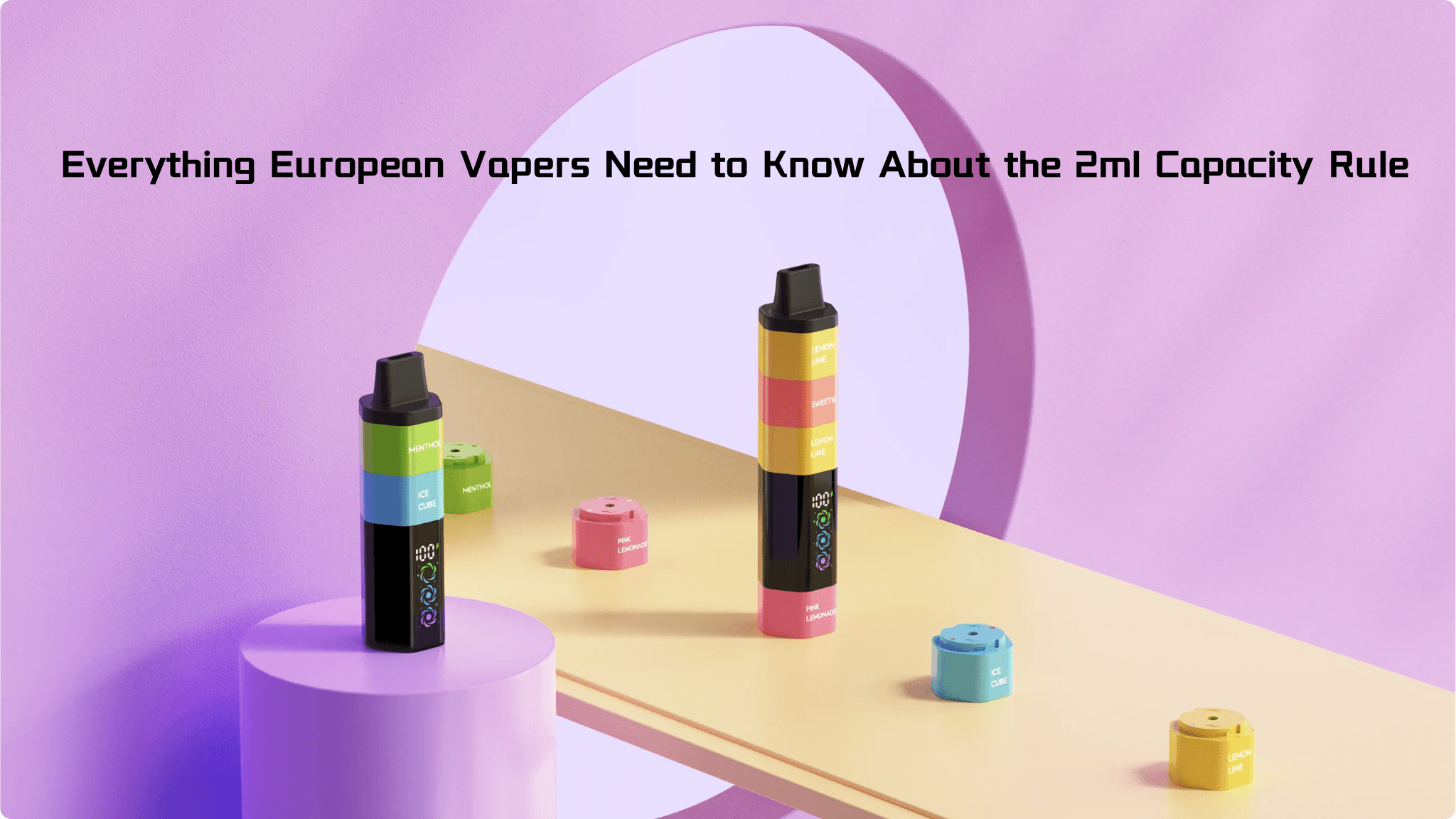
Modular or stackable platforms leverage advanced internal engineering to bypass the capacity bottlenecks inherent to single-reservoir designs. By allowing sequential deployment of multiple storage cells within a single chassis, these devices expand runtime significantly without requiring users to transport loose secondary components.
Continuous E-Liquid Delivery Mechanisms
State-of-the-art architectures implement interconnected pathways that facilitate seamless transitions between liquid cells. This mechanical innovation ensures the core remains continuously saturated, dramatically lowering the probability of dry hits common in less sophisticated, static-reservoir hardware.
Advantages of Multi-Pod Docking Architectures
Multi-pod docking designs allow for the simultaneous integration of discrete cartridge volumes, effectively consolidating individual legal 2ml limits into a larger, unified delivery framework. This strategy empowers users to carry 4ml to 8ml of e-liquid inside a highly compact frame.
Enhanced Power Efficiency and Battery Longevity
Engineered with specialized power management chipsets, these platforms sustain a more stable discharge curve than baseline single-use setups. This guarantees that vapor density remains uniform from the initial draw to the final cycle, offering a reliable experience throughout the transition process.
Pod Architecture Performance Comparison
To grasp the distinctions between standard and stackable architectures, it is best evaluated through user-defined benchmarks of performance and reliability sustained across thousands of operating cycles.
| Feature | Single 2ml Pod | Stackable Multi-Pod |
|---|---|---|
| Puff Capacity | Low (Single-Use) | High (Modular) |
| Power Stability | Diminishing | Sustained |
| Leak Resistance | Moderate | High (Integrated) |
| Long-Term Cost | High | Low |
Flavor Delivery and Vaper's Tongue Resistance
For experienced consumers, the capacity to switch between distinct flavor profiles within a stackable system serves as a major practical benefit. By alternating active cells, users prevent olfactory desensitization—commonly known as flavor fatigue—maintaining sensory engagement during the smoking alternative timeline.
Reliability and Leakage Mitigation
Advanced multi-chamber configurations implement precision seals and negative-pressure cavities to neutralize liquid migration. Unlike low-cost single-use alternatives, these modular interfaces are engineered for structural integrity, retaining absolute airtight seal tolerances even under repeated docking cycles.
Customization Options for Vapor Output
Modular hardware frequently integrates adjustable power configurations, allowing operators to calibrate the thermal dynamic profile of the device. This level of granular control is rarely present in basic consumer setups, offering user customization tailored to specific delivery preferences.
Making the Right Choice for Your Lifestyle
Aligning hardware selection with individual utilization frequency remains the most effective strategy for optimizing both fiscal efficiency and performance satisfaction. Consider the following factors when selecting your platform:
- Assess your average daily usage intervals to determine if the lower upfront cost of single-pod setups genuinely offsets long-term cumulative expenses.
- Prioritize systems engineered with rapid-charging capability to ensure consistent uptime across full operational days.
- Evaluate your requirement for flavor diversity and nicotine strength flexibility to see if a modular setup offers superior utility.
- Verify the regional availability of standalone replacement components to guarantee a sustainable supply chain for your chosen ecosystem.
Defining Your Daily Intake Requirements
For heavy consumers tracking substantial daily volume, the higher initial threshold of modular devices translates directly into long-term savings. High-capacity delivery mechanisms effectively scale down the net cost per session, dropping it to a fraction of the cost associated with static alternatives.
Balancing Upfront Investment with Sustained Savings
Though entry-level starter kits for multi-pod hardware may command an initial premium of £20 to £40, the reduction in ongoing expenditure via replacement components typically breaks even after just a few weeks of consistent use compared to repetitive single-unit purchases.
Assessing Maintenance and Replacement Simplicity
Modern modular ecosystems are engineered for users who demand granular control, yet basic operation remains fundamentally plug-and-play. Swapping a depleted component cell is as intuitive as replacing a complete hardware unit, requiring no specialized technical expertise or tools.
Frequently Asked Questions
Which hardware system offers better value for money in the UK?
Modular systems provide significantly better financial returns for daily users due to lower recurring consumable expenses over time compared to the endless accumulation of fixed single-use setups.
How do stackable pod systems remain compliant with TPD regulations?
They maintain a capacity threshold of 2ml or less per discrete cell, ensuring physical isolation between liquid containers to fully align with statutory volume boundaries.
Does using a multi-pod setup help reduce flavor fatigue?
Yes, by facilitating rapid rotational selection between distinct profiles, the system actively halts the olfactory desensitization tied to monochromatic flavor use.
Is maintaining a multi-node platform more complex than a single-pod setup?
No, these remain true plug-and-play systems, bypassing any requirement for technical maintenance of internal electronics or complex mechanical calibration.
Is the initial cost of multi-pod hardware justified by long-term savings?
Yes, for the median consumer, the extended durability of the core chassis paired with scaled-down operational costs yields massive financial dividends annually.
Are you a commercial distributor looking for enterprise-grade hardware solutions? Explore our vaping hardware OEM/ODM customization services to future-proof your retail inventory.
This article is provided on an "as-is" informational basis without warranties of accuracy or completeness. It is not professional advice. Adult users should verify compliance criteria against official legal frameworks. The publisher is not liable for any direct or indirect consequences resulting from the practical application of this content.