


How do disposable vapes work?
For adult consumers entering the vaping market or hardware brands looking to develop next-generation products, understanding the fundamental engineering behind modern vaporizers is essential. While these devices are celebrated for their convenience, many users are curious about the precise mechanics operating beneath the surface. Knowing how simple disposable vape devices function helps consumers make informed purchasing decisions, manage device expectations, and explore long-term product options. This guide breaks down the core components, the internal heating cycle, usage indicators, and the broader environmental impacts of single-use setups, while offering insights into industry-standard design choices.
The Core Mechanism: How Do Disposable Vapes Work?
To understand exactly how disposable vapes work, it helps to examine their all-in-one, integrated structure. Unlike traditional open-system vaporizers that require manual assembly, a single-use device combines a lithium-ion battery, an internal heating coil, a sensor, and a pre-filled e-liquid chamber into one compact, sealed chassis. This seamless architecture ensures that the entire payload is ready to use immediately out of the package without requiring prior technical knowledge.
The activation process is completely automated through draw-activated firing mechanisms. When an adult user inhales through the mouthpiece, an internal airflow sensor detects the pressure change and immediately triggers the battery to send power to the heating element, or coil. This tiny coil, often built with specialized resistance wires or mesh structures, rapidly heats up to vaporize the e-liquid stored in the surrounding cotton or synthetic wick. The liquid is then transformed into a fine aerosol that can be smoothly inhaled, providing a consistent flavor delivery until the internal components run clear.
For businesses and global brands seeking to break into this competitive space, partnering with established manufacturers for OEM and ODM vape customization is critical. This level of professional manufacturing allows companies to adjust airflow dynamics, optimize sensor sensitivity, and fine-tune coil resistances to ensure reliable, everyday performance that meets specific regulatory compliance standards.
Understanding the Balance of Battery Capacity and E-Liquid Volume
A key engineering challenge in single-use systems is balancing the available battery life with the pre-filled volume of e-liquid. In earlier generations of single-use hardware, it was common for the battery cell to completely run out of power while usable liquid still remained trapped in the reservoir. To combat this inefficiency, modern manufacturers have increasingly integrated built-in charging ports, such as USB-C terminals, into higher-capacity devices to make sure how do disposable vapes work remains optimal throughout the lifespan of the fluid.
These integrated charging mechanisms are not meant to make the device infinitely reusable, but rather to guarantee that adult consumers can fully utilize every drop of pre-filled e-liquid before discarding the hardware. Once the internal fluid reservoir is completely dry, the device cannot be refilled and must be retired. Attempting to manually pry open a sealed enclosure to add e-liquid or modify the internal wiring is highly hazardous, as it can damage the delicate lithium-polymer battery and cause electrical failures.
To clarify how different device configurations function in terms of e-liquid capacity, battery specifications, and re-charging features, review the structural comparison matrix below:
| Device Class / Capacity | Average Battery Size | Charging Port Included? | Primary Design Intent |
| Low Capacity (600 - 1500 puffs) | 350mAh - 550mAh | No | Short-term travel, immediate disposal |
| Mid Capacity (2000 - 4000 puffs) | 500mAh - 650mAh | Optional (Micro-USB/Type-C) | Balanced life, ensures full e-liquid usage |
| High Capacity (5000+ puffs) | 600mAh - 850mAh | Yes (Type-C Required) | Long-term use, requires multiple charge cycles |
Recognizing Depletion: How to Know When Your Disposable Vape is Almost Empty
As you use a single-use device, keeping track of its remaining lifecycle prevents the inconvenience of a sudden drop in performance. Learning how to know when your disposable vape is almost empty is mostly a matter of observing changes in vapor production and flavor quality. Because these devices are sealed, users must rely on external indicators rather than visual fluid checks to monitor overall capacity.
The first major sign of a nearly depleted device is a pronounced decline in vapor volume. If you find yourself taking longer, harder drags only to receive thin, wispy clouds, the e-liquid or battery is nearing its end. Additionally, the flavor profile will begin to fade or taste noticeably muted. If the wick becomes completely dry while the heating element continues to fire, it can singe the internal material, causing a harsh, acrid burnt taste that signals immediate retirement.
Many contemporary devices also feature small LED indicator lights or basic digital screens on the chassis. A blinking LED light typically warns that the battery voltage has dropped below operational limits, meaning it either requires a recharge or has reached the end of its useful lifespan. Recognizing these telltale signs helps adult consumers transition between devices smoothly and avoid the unpleasant experiences associated with dry firing.
Environmental Impacts and Safety Considerations of Single-Use Hardware
While exploring the mechanics of how these devices function highlights their portability, it also reveals significant challenges regarding electronic waste (e-waste). Every discarded single-use device contains a non-removable lithium battery, electronic circuitry, and residual nicotine-containing e-liquid. Because nicotine is classified as a toxic substance if mishandled or disposed of improperly in many jurisdictions, throwing these integrated devices directly into standard household trash creates notable environmental risks.
Improper disposal can lead to lithium batteries being crushed in sanitation trucks or landfills, creating potential fire hazards. Furthermore, the plastic housings and complex microcircuitry take decades to decompose, leading to growing scrutiny from environmental agencies and global regulators. Many markets are actively implementing stricter import rules, sales restrictions, or mandatory recycling initiatives to curb the influx of improperly labeled or non-compliant single-use hardware.
Adult consumers and brands alike must acknowledge these structural limitations. Because these devices are designed to be discarded after a few weeks of use, responsible disposal through designated electronic recycling programs is highly encouraged. Understanding these environmental liabilities prompts many experienced users to look toward more sustainable alternatives that isolate waste to a smaller, replaceable component.
Balancing Economics and Sustainability: Moving Beyond Disposables
For individuals evaluating their long-term options, analyzing the cumulative financial cost of single-use devices versus reusable alternatives is eye-opening. Relying solely on short-term hardware can become a substantial continuous expense over time. Using an interactive online tool like a smoking cost calculator allows consumers to map out their historical spending patterns and realize the potential financial advantages of shifting to a more permanent setup.
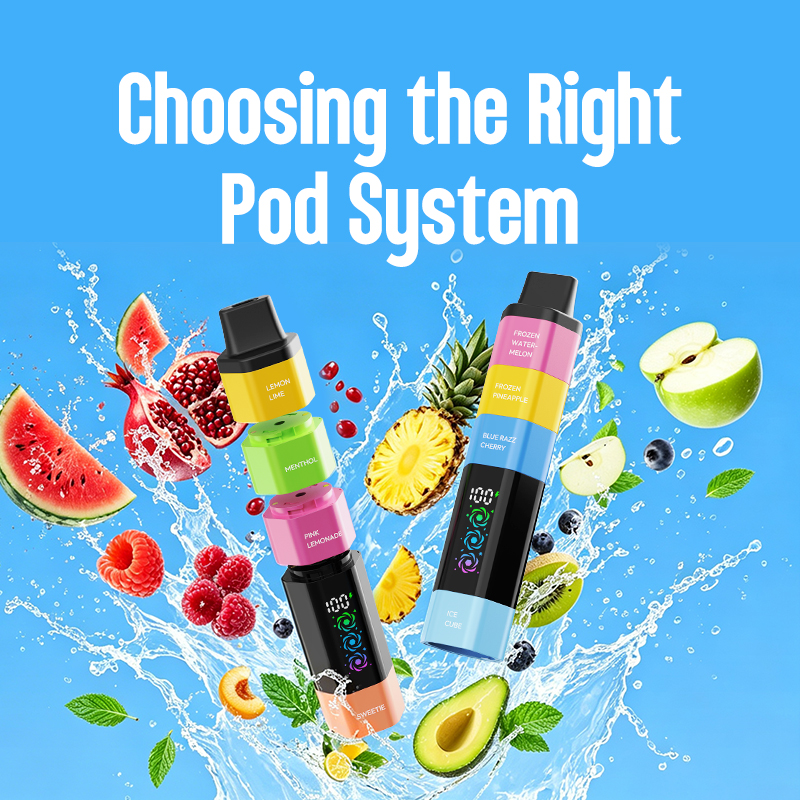
Transitioning to dedicated vape pod systems provides an ideal middle ground. These reusable configurations feature a permanent, rechargeable battery body paired with detachable pods that can be swapped or refilled. By retaining the core battery and electronics, users dramatically minimize their weekly e-waste contributions while gaining access to a wider variety of specialized e-liquid flavors and nicotine strengths.
For those who prioritize eco-conscious habits without wanting to sacrifice the streamlined portability of a pocket-sized device, upgrading to an eco-friendly vape pod system offers an optimized solution. Balancing your personal usage habits, immediate convenience needs, and long-term economic footprint makes it easier to select a setup that is both reliable and responsible.
Conclusion
Understanding the underlying mechanics of how single-use vaporizers operate helps adult consumers navigate the market with confidence and clarity. From the internal heating coil to the draw-activated sensors, these devices are engineered for brief convenience, yet they carry undeniable environmental and financial considerations over extended periods. Whether you prefer the simplicity of standalone hardware or choose to step up to reusable, multi-use configurations, evaluating your daily habits and long-term costs is key. By offering a versatile range of choices from basic systems to advanced designs, brands like Zofo empower adult users to select the ideal hardware path that perfectly balances personal convenience, cost-efficiency, and environmental awareness.
FAQ
Q1: How do disposable vapes work to generate vapor?
A1: Disposable vapes utilize an internal pressure sensor that activates a built-in battery when you inhale. The battery sends power to a small heating coil, which vaporizes the pre-filled e-liquid held within an internal wick.
Q2: Why do some single-use vapes have USB-C charging ports if they are disposable?
A2: Rechargeable ports are included in high-capacity devices to ensure the built-in battery lasts long enough for the user to fully consume all the pre-filled e-liquid, preventing the battery from dying prematurely.
Q3: What is the most reliable way how to know when your disposable vape is almost empty?
A3: You can determine a device is nearly empty when the volume of vapor drops significantly, the flavor becomes highly muted, or the device produces a harsh, dry taste indicating the e-liquid has run dry.
Q4: Can you refill a disposable vape once the e-liquid runs out?
A4: No, disposable vapes are constructed as closed, sealed systems and are not designed to be refilled. Attempting to force open the device to add liquid is hazardous and can damage the internal lithium battery.
Q5: How should single-use vaping devices be disposed of responsibly?
A5: Because they contain lithium-ion batteries and chemical residues, they should not be thrown into regular household trash. Instead, take them to designated electronic waste (e-waste) collection points or local recycling facilities.
Source
● disposable vapes work: https://seattlehashtag.com/blog/how-do-disposable-vapes-work
● how do disposable vapes work: https://www.jacvapour.com/blogs/vaping-guides/how-do-disposable-vapes-work
● how to know when your disposable vape is almost empty: https://vaping360.com/learn/how-do-you-know-when-a-disposable-vape-is-empty/
This article is provided on an "as-is" informational basis without warranties of accuracy or completeness. It is not professional advice. Adult users should verify compliance criteria against official legal frameworks. The publisher is not liable for any direct or indirect consequences resulting from the practical application of this content.