


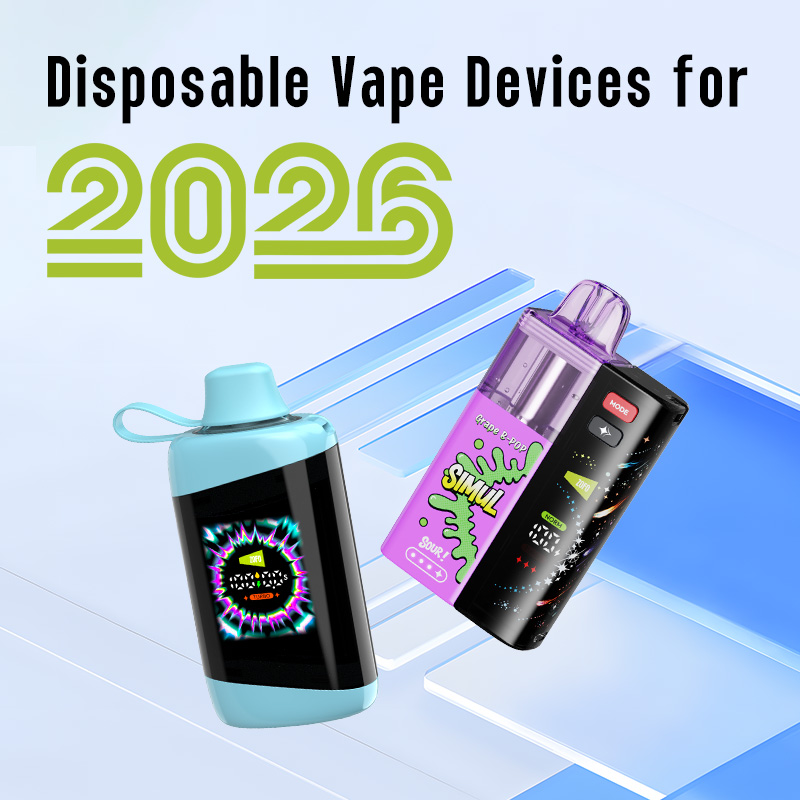
Disposable Vape Ban Guide: Arkansas, NC, and Alabama
An analysis of the complex legal regulations governing disposable vaping devices in Arkansas, North Carolina, and Alabama, exploring state directories, strict cannabinoid bans, and alternative pod systems.
Navigating the shifting regulatory landscape of electronic nicotine delivery systems across the United States has become a major focus for adult consumers and industry stakeholders alike. With various states passing independent enforcement registries and product restrictions, keeping track of regional legality requires continuous attention. Many individuals utilize a digital smoking cost calculator to gauge the financial transition from traditional cigarettes to vapor alternatives, only to find that the availability of specific hardware depends heavily on local state boundaries. This guide provides a detailed breakdown of the legislative guidelines governing disposable devices in Arkansas, North Carolina, and Alabama, helping adult readers understand regional enforcement and compliant alternative hardware paths.
What States Are Disposable Vapes Banned In Across the US?
The question of what states are disposable vapes banned in does not have a simple, single answer due to the fragmented nature of state-level policies. At the federal level, the U.S. Food and Drug Administration (FDA) oversees all electronic nicotine products through its Pre-Market Tobacco Product Application (PMTA) pathway. While federal focus remains primarily on curbing the distribution of completely unauthorized shipments, a growing number of states have stepped in to launch localized enforcement directories to clear retail shelves of unlisted products.
States such as Louisiana, Oklahoma, Wisconsin, and several others have established structural "vape directories" or registries. In these jurisdictions, wholesalers and retailers are legally prohibited from stocking or selling any vapor product unless the manufacturer has certified its federal status and the state has explicitly approved it for the registry. This rolling wave of legislation creates a complex environment for adult consumers looking for simple disposable vape devices, as options that are easily accessible in one state may be completely restricted across state lines.
Are Disposable Vapes Banned in Arkansas? Regulatory Details
When investigating local statutes, adult consumers frequently ask: are disposable vapes banned in arkansas? The answer is that Arkansas does not enforce a blanket ban on the entire category of disposable devices, but it heavily restricts their sale via a strict state-managed product directory. Under legislative measures like Act 629 and subsequent updates, only products that have successfully achieved registry certification by the Arkansas Tobacco Control (ATC) board can be sold legally by wholesalers and retailers, resulting in only a select few approved disposables remaining on store counters.
In addition to limiting retail product options, Arkansas law focuses heavily on marketing and public usage boundaries. The state has implemented rigorous restrictions on e-cigarette advertising designed to prevent marketing targeted at minors, alongside firm rules prohibiting vape use inside schools, hospitals, and medical facilities. Furthermore, the state enforces a strict prohibition on alternative hemp-derived cannabinoids; a federal court ruled in favor of the Arkansas Delta-8 ban and lifted a previous enforcement injunction, making all hemp-derived alternative cannabinoid vapes entirely illegal to distribute or possess in the state.
Are Disposable Vapes Banned in NC? The Selective Nicotine Restrictions
Moving to the East Coast, the ongoing shifts in legislation leave many asking: are disposable vapes banned in nc? North Carolina has introduced selective nicotine product restrictions that establish an official state registry, requiring retail shops to pull unapproved independent vape brands off shelves and return them to distributors or manufacturers. However, this policy includes noticeable exemptions that permit the continuous sale of older e-cigarette lines and devices distributed by major traditional tobacco companies.
This selective framework has drawn substantial critique from local business operators and consumers, who argue that the regulations are structured to protect traditional tobacco industry profits rather than focusing purely on public health. Because many independent open-market disposable vapes face retail restrictions under this law, market observers anticipate that adult consumers will look for alternative ways to obtain their preferred choices, such as purchasing items online or traveling to neighboring states, which ultimately shifts tax revenue away from North Carolina. For companies trying to navigate these protectionist state registries, utilizing compliant, high-quality OEM and ODM vape customization channels has become an essential strategy to remain aligned with evolving statutory standards.
Are Disposable Vapes Banned in Alabama? State Law Explained
For adult consumers seeking clarity on Deep South regulations, the question of whether are disposable vapes banned in alabama requires a close look at the state's severe restrictions on alternative cannabinoids and open vapor channels. While standard tobacco-flavored nicotine systems authorized under state directories remain accessible through approved retailers, Alabama enforces some of the most stringent rules in the nation regarding hemp-derived inhalable products under House Bill 445 (HB 445).
Going into effect on July 1, 2025, and seeing rigorous enforcement through 2026, HB 445 rendered the possession, manufacture, or sale of any smokable or inhalable hemp product a Class C felony. This includes Delta-8, Delta-10, HHC, THC-O, and specialized hemp vape cartridges, with no minimum weight threshold required to trigger the charge. A single vape cartridge or infused item can expose an individual to up to 10 years in prison and a $15,000 fine. Critics have widely condemned the law as disproportionately harsh, pointing out that carrying an alternative hemp vape cartridge carries significantly worse criminal penalties in Alabama than personal possession of standard marijuana, reflecting a highly punitive stance toward independent vape hardware.
Navigating Changing Regulations with Sustainable and Compliant Alternatives
As state-level enforcement registries and legislative restrictions make the disposable market increasingly volatile, many adult users are actively looking for more permanent, dependable hardware solutions. Transitioning away from single-use products toward open-system pod system vapes provides a reliable method to navigate changing local laws, as these devices rely on separate, compliant e-liquids rather than fixed pre-filled designs that are frequently targeted by state directory bans.
In addition to offering greater long-term regulatory stability, selecting an eco-friendly vape pod system delivers clear economic and environmental advantages. Rechargeable setups with replaceable pods significantly lower individual waste by avoiding the constant disposal of integrated lithium-ion batteries and plastic casings. This approach serves as a more sustainable vape option that helps adult consumers reduce their long-term expenses while minimizing their overall environmental impact.
Regulatory and Structural Comparison Matrix
| Device/Product Category | State Directory Compliance Stability | Average Hardware Lifespan | Primary Environmental Footprint | General Retail Accessibility |
|---|---|---|---|---|
| Traditional Cigarettes | High (Highly regulated and traditional tax structures) | Single-use (Minutes per unit) | High (Non-biodegradable filters and ash) | Widespread across all states |
| Disposable Vape Systems | Low to Moderate (Frequently targeted by state registry bans) | Temporary (Fixed puff count per unit) | High (Electronic waste and built-in batteries) | Varies greatly by local state laws |
| Rechargeable Pod Systems | High (Open hardware allows adaptation to legal e-liquids) | Long-term (Months to years with proper maintenance) | Low (Reusable battery body with small plastic pods) | Stable across most retail markets |
Conclusion
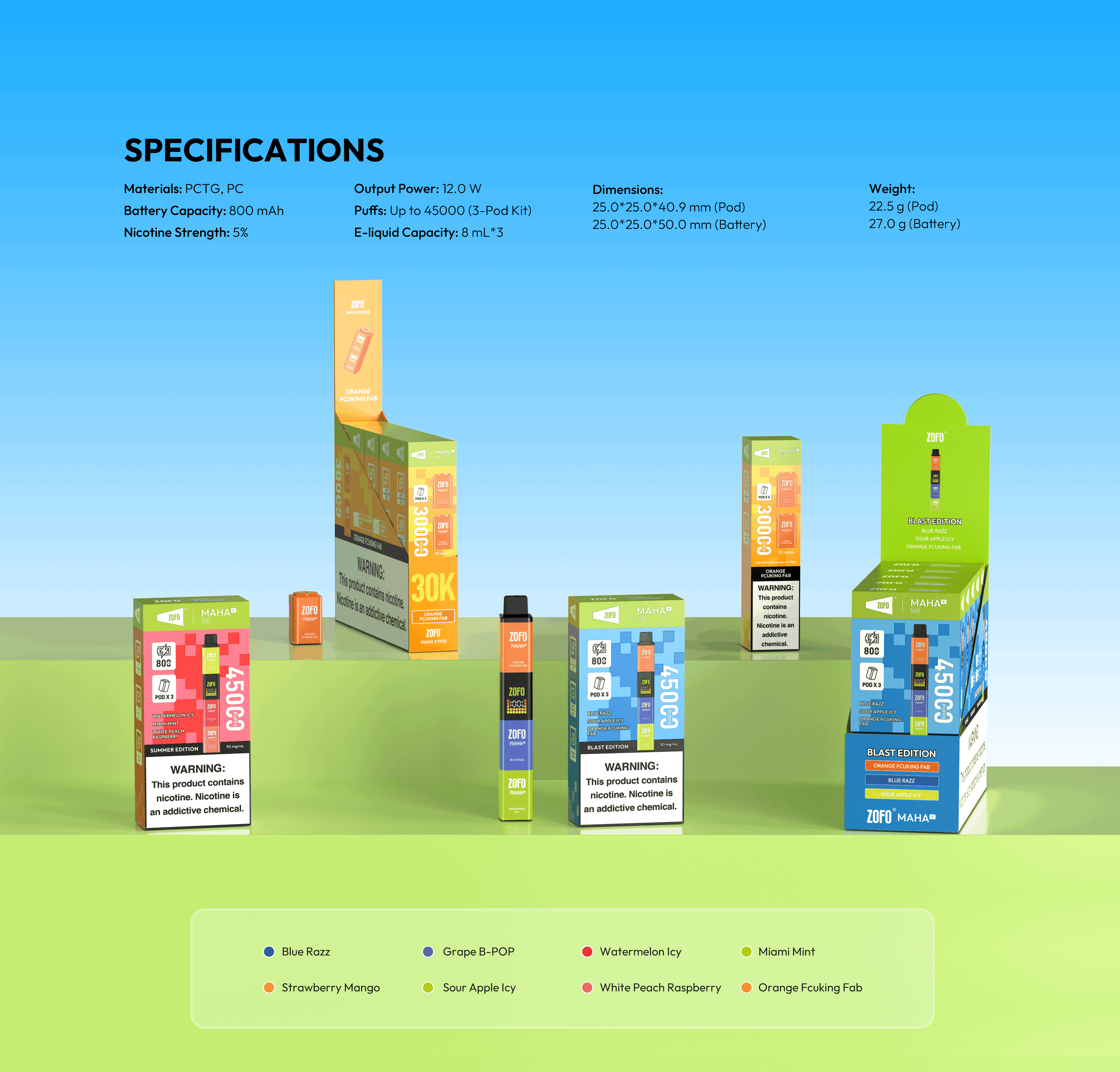
Understanding the evolving legal guidelines surrounding disposable vapes requires careful attention to distinct state laws, from the advertising and registry compliance rules in Arkansas and the tobacco-exempt directory system in North Carolina to the severe felony-level hemp bans in Alabama. For adult consumers and businesses, staying informed is critical to avoiding compliance issues and unexpected legal disruptions. Depending on your personal consumption preferences, long-term costs, and environmental values, exploring alternative device styles can provide a more reliable path forward. Brands like Zofo deliver a versatile selection of advanced, carefully constructed vapor hardware configurations engineered to meet the needs of adult users while navigating an ever-changing marketplace.
FAQ
Q1: Are all disposable vapes completely illegal to buy in Arkansas?
A1: No, they are not entirely banned, but Arkansas utilizes a strict product registry directory. Only disposable vapes from manufacturers that have certified their products with the state can be legally sold by retailers.
Q2: Why does North Carolina's vape law allow some e-cigarettes but ban others?
A2: North Carolina's selective nicotine policies establish a state registry that restricts many independent disposable vapes while explicitly exempting products associated with major traditional tobacco corporations, creating a distinct market division.
Q3: What happens if an adult is caught with a Delta-8 vape in Alabama?
A3: Under Alabama law HB 445, possession of any smokable or inhalable hemp product, including a single Delta-8 vape cartridge for personal use, is classified as a Class C felony, carrying penalties of up to 10 years in prison and a $15,000 fine.
Q4: How can I find out what states are disposable vapes banned in before traveling?
A4: Because state registry lists and cannabinoid laws change frequently, adult travelers should check the official Department of Revenue or Tobacco Control directory websites for their destination state prior to travel.
Q5: Can I legally order restricted disposable vapes online if my state bans them?
A5: Ordering restricted products online into a state with an active directory ban generally violates state shipping and distribution laws, and such packages are subject to seizure by state authorities.
Source
● are disposable vapes banned in arkansas: https://www.nwahomepage.com/news/arkansas-law-restricts-vape-sales-advertising-starting-sept-1/
● are disposable vapes banned in nc: https://quitwithjones.com/blogs/news/north-carolina-vape-ban
● what states are disposable vapes banned: https://www.vaporauthority.com/blogs/vaping-tips/what-states-are-disposable-vapes-banned-in
● are disposable vapes banned in alabama: https://www.vaporauthority.com/blogs/vaping-tips/are-disposable-vapes-banned-in-alabama-state-law-explained
This article is provided on an "as-is" informational basis without warranties of accuracy or completeness. It is not professional advice. Adult users should verify compliance criteria against official legal frameworks. The publisher is not liable for any direct or indirect consequences resulting from the practical application of this content.